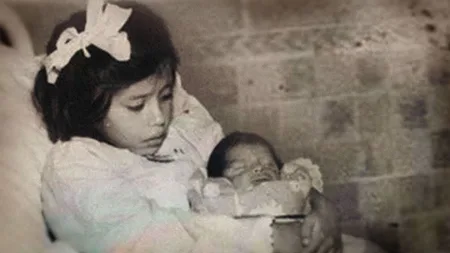
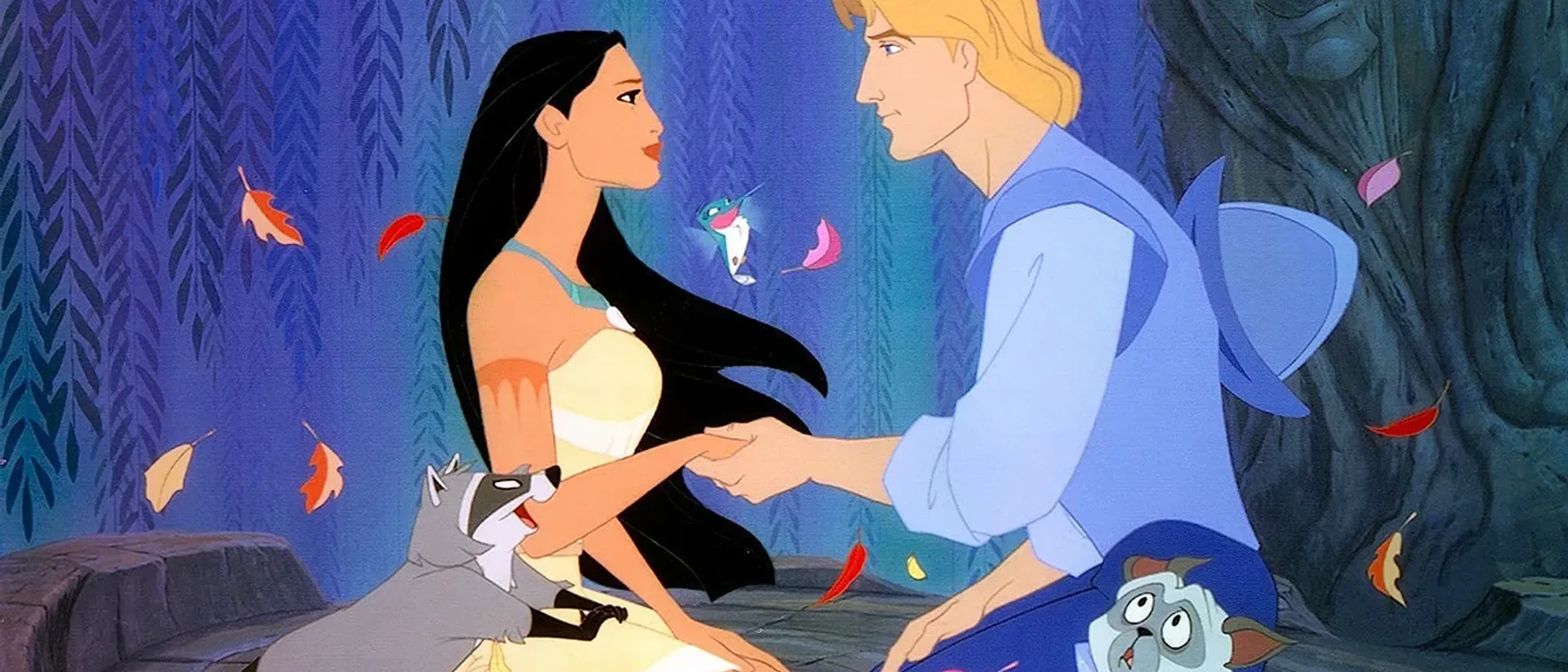
Pocahontas was roughly 10 to 12 years old when she first encountered John Smith, who was 27.
The Girl Behind the Myth
You watched the movie. You remember the waterfall, the raccoon, the wind-swept romance between two adults. Now forget all of it. The real Pocahontas was a child.
A Girl, Not a Woman
When English colonists landed at Jamestown in 1607, the person they would come to call Pocahontas was approximately 10 to 12 years old. Captain John Smith was 27. He was a soldier, an explorer, and a grown man. She was a child doing cartwheels in the settlement.
That is the foundation of one of America's most beloved love stories. A pre-adolescent girl and a man nearly three times her age.
A Name That Was Never Hers
"Pocahontas" wasn't even her real name. It was a childhood nickname, roughly translated as "ill-behaved child" or "little wanton." Her actual name was Amonute, with a more private name, Matoaka, known only to those closest to her.
The English didn't care about any of that. They needed a symbol, not a person.
Kidnapped at 17
In 1613, English settlers lured Pocahontas onto a ship and held her captive for over a year. During that captivity, she was pressured to convert to Christianity, baptized as "Rebecca," and married off to tobacco planter John Rolfe. She was 17 or 18.
The marriage was celebrated as peace between the English and the Powhatan people. It was leverage dressed up as love.
Paraded Across an Ocean
In 1616, Pocahontas was taken to England as living propaganda—proof that the "savages" of Virginia could be civilized. She was displayed to aristocrats, taken to balls and banquets, and used to drum up investment in the Virginia Company.
She was 21 years old, thousands of miles from everything she had ever known.
She Never Made It Home
In March 1617, as her ship prepared to cross the Atlantic back to Virginia, Pocahontas fell gravely ill. She was taken ashore at Gravesend, England, where she died. She was roughly 21 years old.
The cause of death is still debated—tuberculosis, pneumonia, smallpox, or poisoning have all been suggested. What isn't debated is the outcome: a girl taken from her world, remade into someone else's story, and buried in foreign soil.
The Disney version gave her a happy ending and a figure that belonged to a grown woman. The real version is a story about a child who was never given a choice about any of it—not her name, not her captivity, not her marriage, and not the myth that swallowed her whole.
Frequently Asked Questions
How old was Pocahontas when she met John Smith?
What was Pocahontas's real name?
How did Pocahontas actually die?
Was Pocahontas kidnapped by the English?
Related Topics
More from Time