BodyIn 1939, a 5-year-old girl in Peru named Lina Medina gave birth via C-section. The father was never identified.101
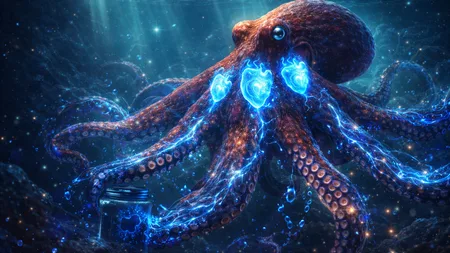
NatureOctopuses have three hearts—two pump blood to the gills, one pumps it to the body. Their blood is blue because it uses copper-based hemocyanin instead of iron. Each of their 8 arms has its own mini-brain that can act independently—an arm can "decide" to open a jar while the central brain focuses on something else.65
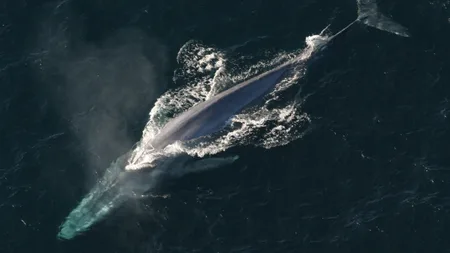
ScienceIn 1997, NOAA recorded an underwater sound so loud it would've required an animal larger than a blue whale to make it.57
ScienceEinstein and his first wife had a daughter named Lieserl in 1902. After a few letters mentioning her, she vanishes from the historical record. No death certificate. No adoption papers. Nothing.
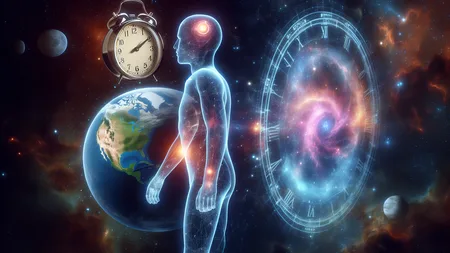
ScienceDue to general relativity, time passes very slightly faster for your head than your feet because your head is further from Earth's gravitational center. Over a 79-year lifetime, your head ages about 90 nanoseconds more than your feet.
TimeThe Great Pyramid was built around 2560 BC. Cleopatra lived around 30 BC. The Moon landing was 1969 AD. Cleopatra existed closer in time to us watching Netflix than to the construction of the pyramids in her own backyard.
SpaceScientists calculated the average color of all light in the observable universe. It's a beige shade officially named "Cosmic Latte." The universe used to be bluer when it was younger—it's slowly getting more red as stars age and die.
TimeNo one was burned at the stake in Salem. Nineteen were hanged. One man, Giles Corey, was slowly pressed to death with stones over two days. His last words were "more weight."
NumbersThe number of possible chess games (the Shannon number) is around 10^120. The number of atoms in the observable universe is only about 10^80. You could play a unique chess game every second since the Big Bang and never repeat—not even close.
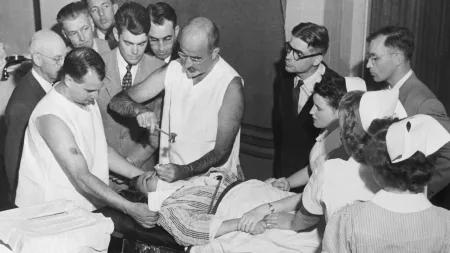
BrainWalter Freeman toured the U.S. in his "lobotomobile," performing ice-pick lobotomies through the eye socket — sometimes on children as young as 4, at their parents' request.
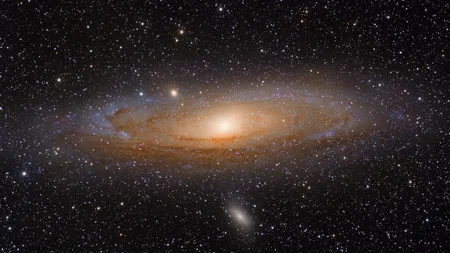
SpaceThe light from the Andromeda galaxy hitting your eye right now left before humans existed. You are seeing 2.5 million years into the past.
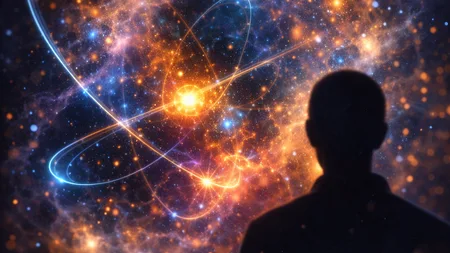
ScienceElectrons do not exist in any specific place until measured. Before observation, they exist as probability clouds. Reality requires witnesses.
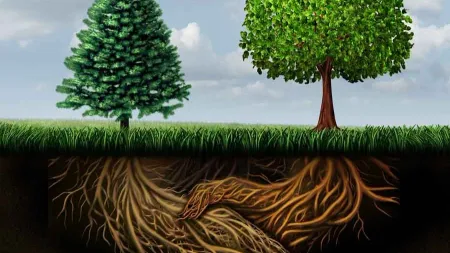
NatureForests have their own "Wood Wide Web"—a network of fungal threads connecting trees underground. Mother trees recognize their offspring and send them extra nutrients. Dying trees dump their resources into the network as a final gift to the forest.
TimeChristopher Columbus wrote about the trafficking of Indigenous girls in his own letters. Girls as young as 9 were, in his words, in high demand. This is not interpretation — it's his handwriting.
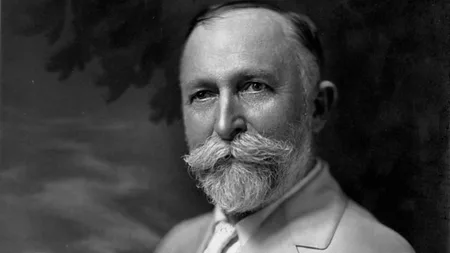
BrainJohn Harvey Kellogg invented Corn Flakes as part of an anti-masturbation diet. He believed bland food would suppress sexual urges.
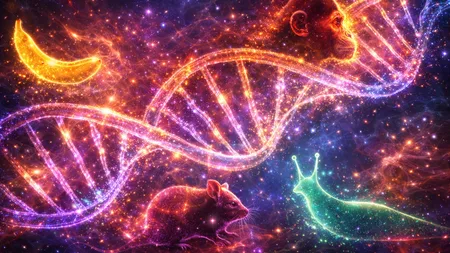
ScienceHumans share about 25% of their protein-coding genes with bananas—the ancient "housekeeping" genes essential for all cellular life. You share 85% with mice, 96% with chimps, and surprisingly much with slugs. The genetic code of life is so conserved that we are essentially variations on a 4-billion-year-old theme.
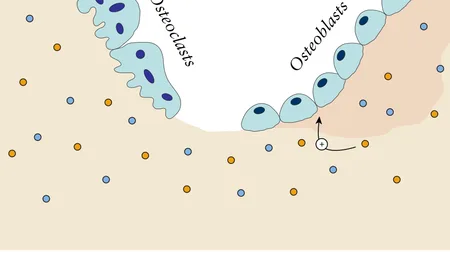
BodyYou are literally not the same person you were a decade ago—physically. Your skeleton is replaced every 10 years, your liver every 5 months, your skin every 2-4 weeks. The atoms that made you as a child are now scattered across the planet.
ScienceIf you removed all the empty space from the atoms in your body, you would fit into a cube less than 1/500th of a centimeter on each side. Every human on Earth could fit into a single sugar cube.
NumbersEvery time you shuffle a deck of cards, you have likely created an arrangement that has never existed before in human history and never will again.
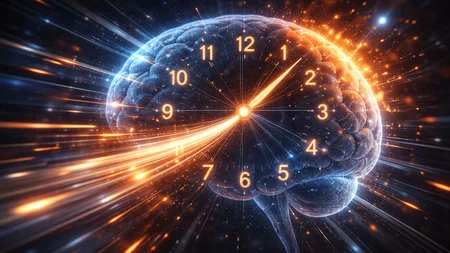
BrainYour brain runs on an 80-millisecond delay. Everything you experience has already happened. You have never perceived the present moment.
BrainJack Nicholson's mother posed as his sister. His grandmother posed as his mother. Both died without telling him. A journalist did.
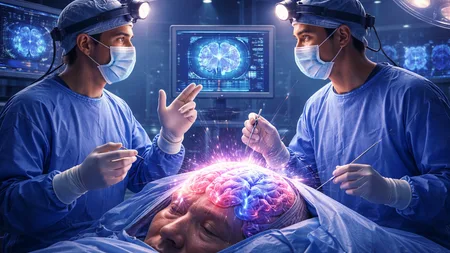
BrainThe organ that processes all your pain sensations has no pain receptors itself. Surgeons can operate on a conscious patient's brain while they chat about the weather. The brain literally cannot feel itself being touched or cut.